Hate Ticketmaster? Onchain RWA tickets may succeed where regulators haven’t

cointelegraphPublished on 2025-12-12Last updated on 2025-12-12

Abstract

TIX, a decentralized settlement layer for the live-events industry, has emerged from stealth to apply DeFi lending and onchain infrastructure to transform ticketing. It has facilitated over $8 million in ticket sales and $2 million in venue financing through KYD Labs, a consumer-facing platform backed by a16z. TIX tokenizes tickets as real-world assets (RWAs), enabling venues to access upfront capital from multiple sources, artists to sell directly, and fans to benefit from lower fees and transparent resales. Despite competition, Ticketmaster itself has adopted blockchain, issuing nearly 100 million NFT tickets since 2022. Proponents argue that onchain ticketing reduces fraud, increases transparency, and improves control in secondary markets.

TIX, a settlement layer for the live-events industry, has emerged from stealth to apply decentralized finance (DeFi) lending and onchain settlement to a sector that has long functioned like a private credit market.

To date, the TIX network has facilitated over $8 million in ticket sales and generated approximately $2 million in venue financing. The activity has been conducted through KYD Labs, with TIX expected to launch on the Solana mainnet by mid-2026, the company told Cointelegraph.

TIX, led by Ticketmaster and Buildspace veterans, serves as the underlying settlement and financing layer for KYD Labs, a consumer-facing ticketing platform that raised $7 million in a funding round led by venture firm a16z.

While KYD Labs provides the interface used by venues and artists to sell tickets and manage events, TIX handles the onchain infrastructure, tokenizing tickets and enabling financing, settlement and repayment flows.

TIX aims to address what it describes as the live events industry’s credit-and-debt model, in which venues and promoters rely on upfront financing before any tickets are sold. The company does so by turning tickets into onchain real-world assets (RWAs).

In practice, the model is designed to allow venues to access upfront capital from multiple sources, enable artists to sell tickets directly and offer fans lower fees alongside more transparent resale policies.

Related: Securitize hires former PayPal exec as US tokenization gains traction

Ticketmaster takes blockchain technology seriously

While blockchain-based settlement layers are seeking to disrupt Ticketmaster’s dominance in the ticketing industry, the company itself has been experimenting with the technology for several years.

Ticketmaster has been working with blockchain technology since at least 2019 and chose the Flow blockchain in 2022 to support its non-fungible token (NFT)-based ticketing initiatives.

Since then, Ticketmaster has issued nearly 100 million NFT tickets, according to a report from TheStreet, which cited the continued integration of NFT technology across several apps as evidence of sustained adoption despite the waning hype since 2022.

Meanwhile, proponents of RWA technology argue it offers clear benefits for ticketing, including the ability to mint tickets as unique digital assets that reduce fraud and counterfeiting. Tokenization can also introduce greater transparency and control into secondary resale markets.

While NFTs and RWAs can overlap, they describe distinct concepts. NFTs refer to a token’s technical format, while RWAs describe the underlying asset or rights being represented. In ticketing, an RWA can be implemented using NFTs to tokenize access.

Related: Licensing-to-earn protocol turns intellectual property rights into RWAs

Related Reads

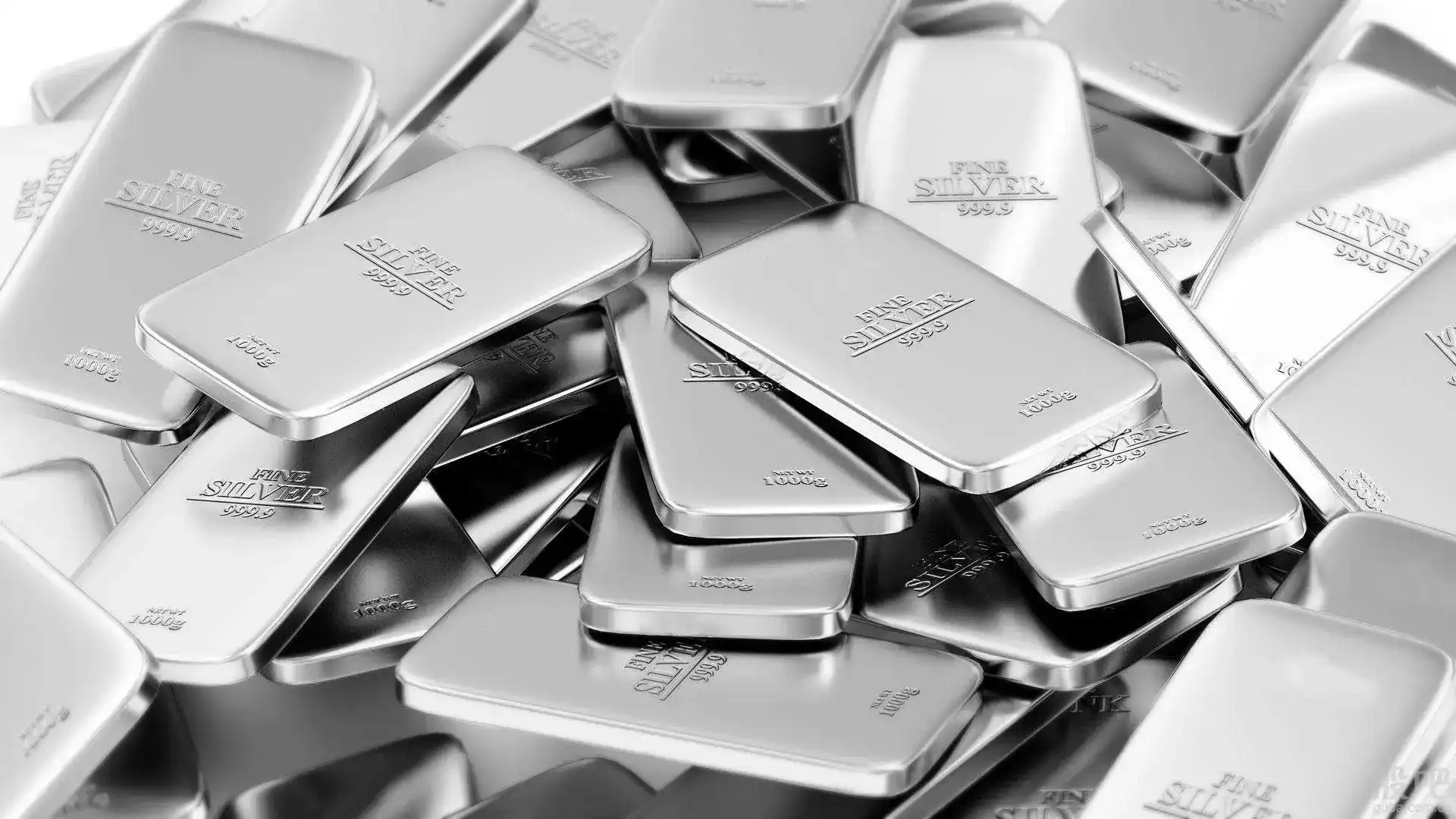
The Silver Crisis: When the Paper System Begins to Fail

Silver Crisis: When the Paper System Begins to Fail In December, silver became the standout performer in the precious metals market, surging from $40 to over $60 per ounce, hitting a historic high of $64.28 on December 12 before experiencing sharp declines. Year-to-date, silver rose nearly 110%, far outpacing gold’s 60% gain. The rally appears justified by fundamental factors: expectations of Fed rate cuts, strong industrial demand from solar, EV, and AI sectors, and declining global inventories. However, the surge lacks stability. Unlike gold, which is backed by central bank purchases, silver has almost no official reserves, making it an isolated asset with low market depth and high volatility. The real driver behind the price spike is a futures squeeze. The market structure shifted into prolonged futures premium (contango), indicating either extreme bullish sentiment or deliberate market manipulation. Physical delivery demands surged on exchanges like COMEX and LBMA, exposing the fragility of the paper silver system—where paper claims vastly exceed actual physical silver. JPMorgan, a key player historically accused of silver market manipulation, now controls nearly 43% of COMEX silver inventories and acts as the custodian for major silver ETFs. Its influence over physical supply and delivery eligibility adds to market instability. The situation reflects a broader loss of confidence in financialized assets. Investors and central banks are increasingly shifting toward physical holdings, moving away from paper claims. This trend, coupled with declining Western gold and silver inventories and rising Asian demand, signals a structural shift in monetary and commodity markets. In essence, the rules of the game are changing. When the music stops, those holding physical metal will have a chair—everyone else may be left standing.

marsbit1h ago

The Silver Crisis: When the Paper System Begins to Fail

marsbit1h ago

Trading

Spot
Futures
活动图片